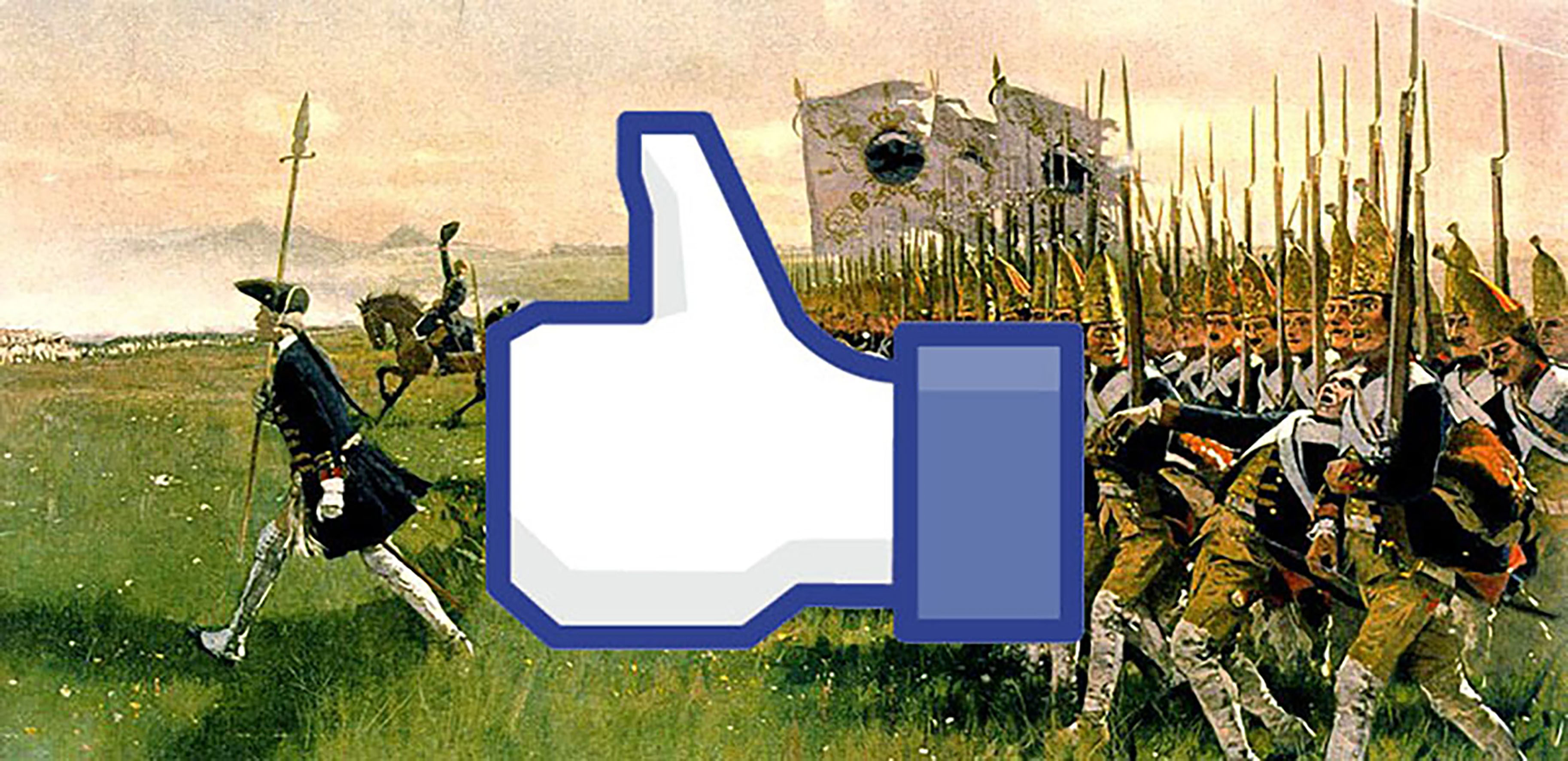
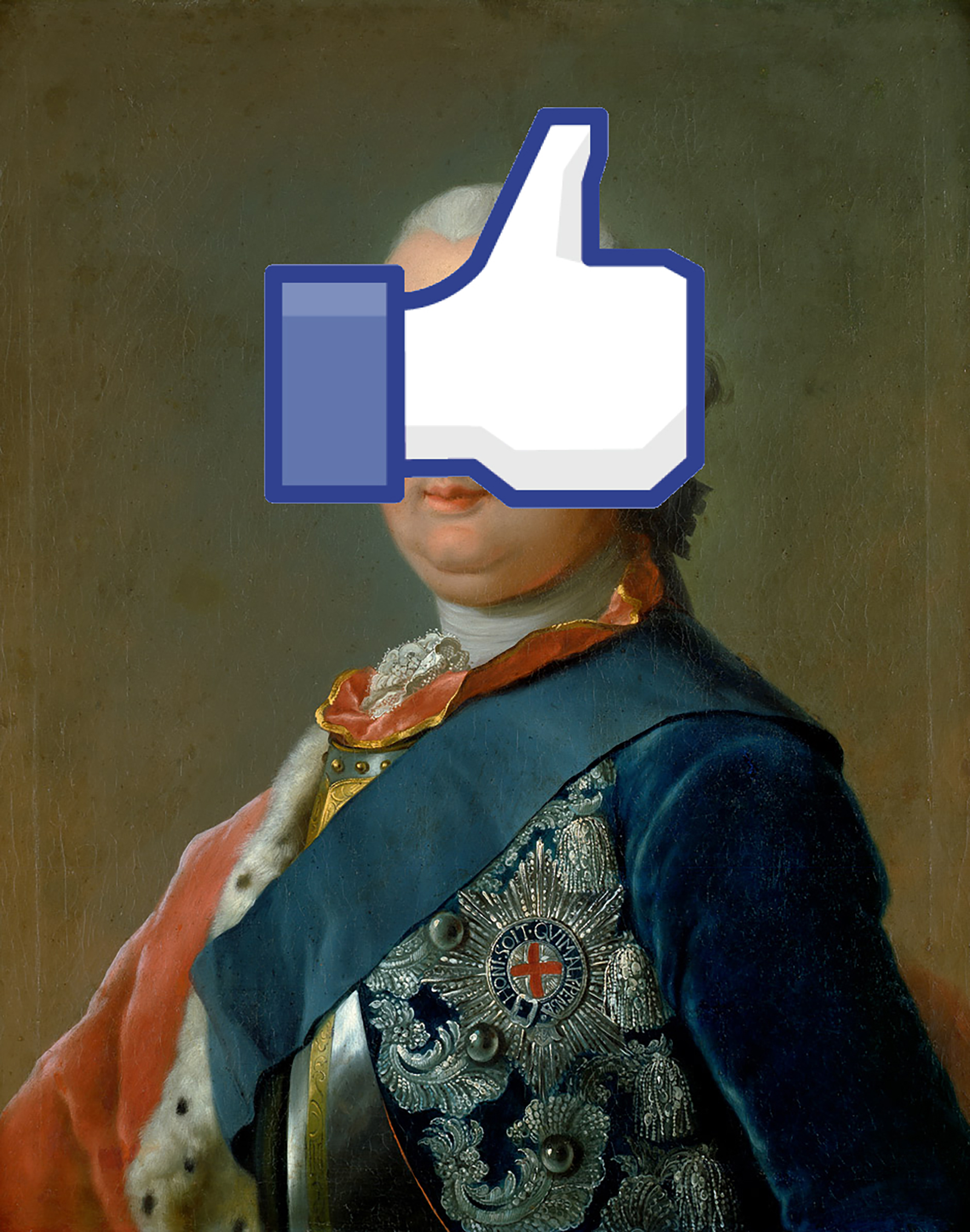
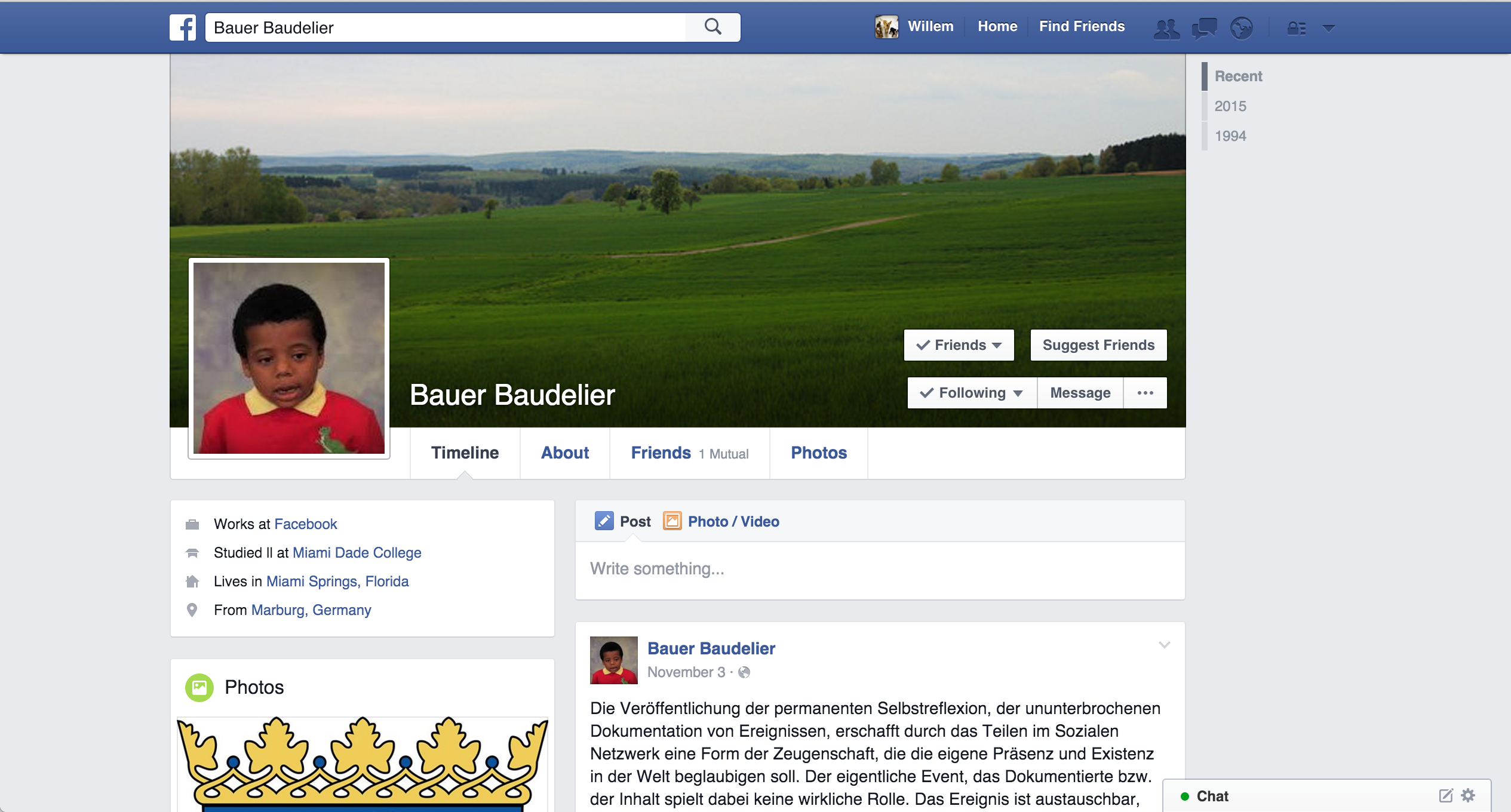
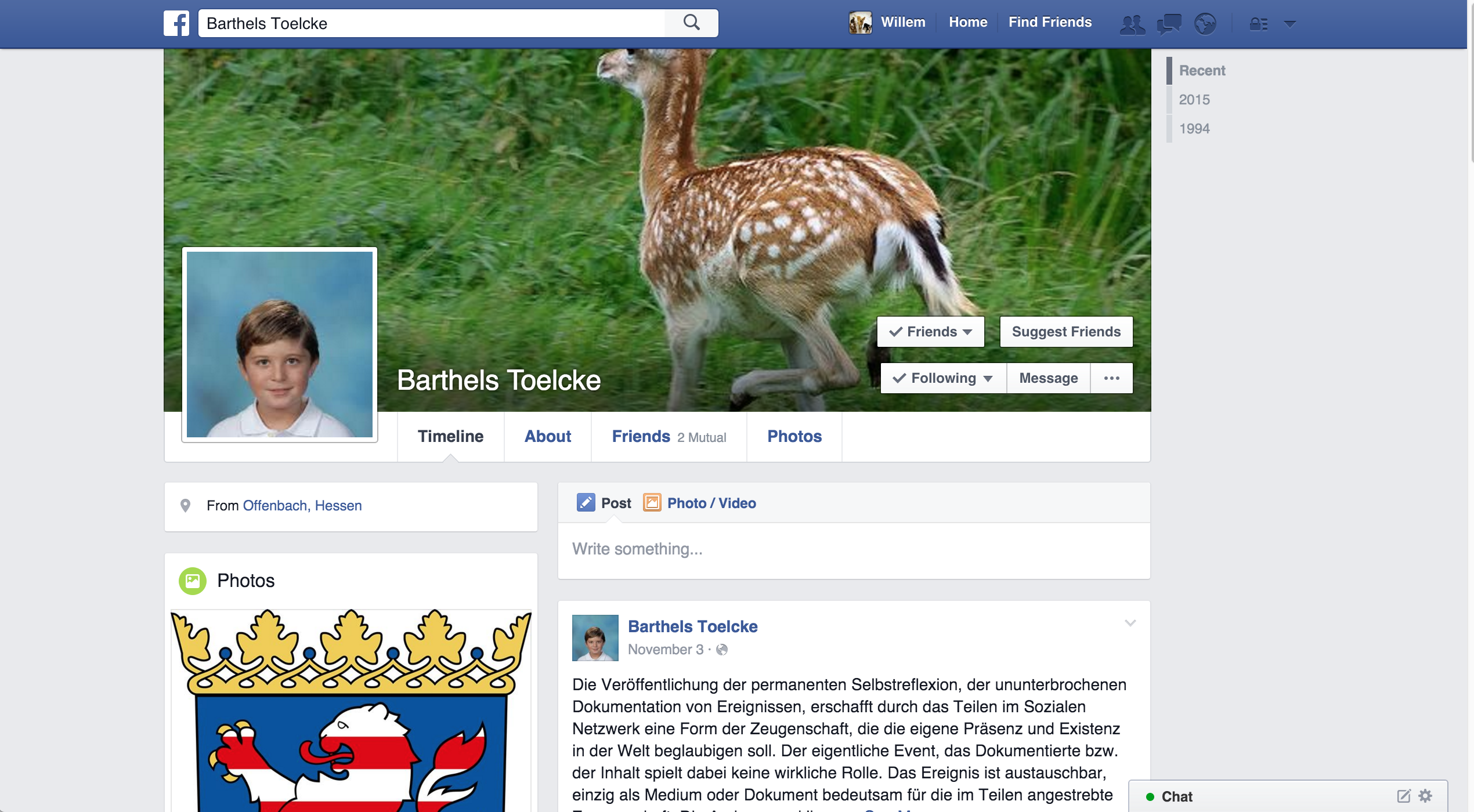
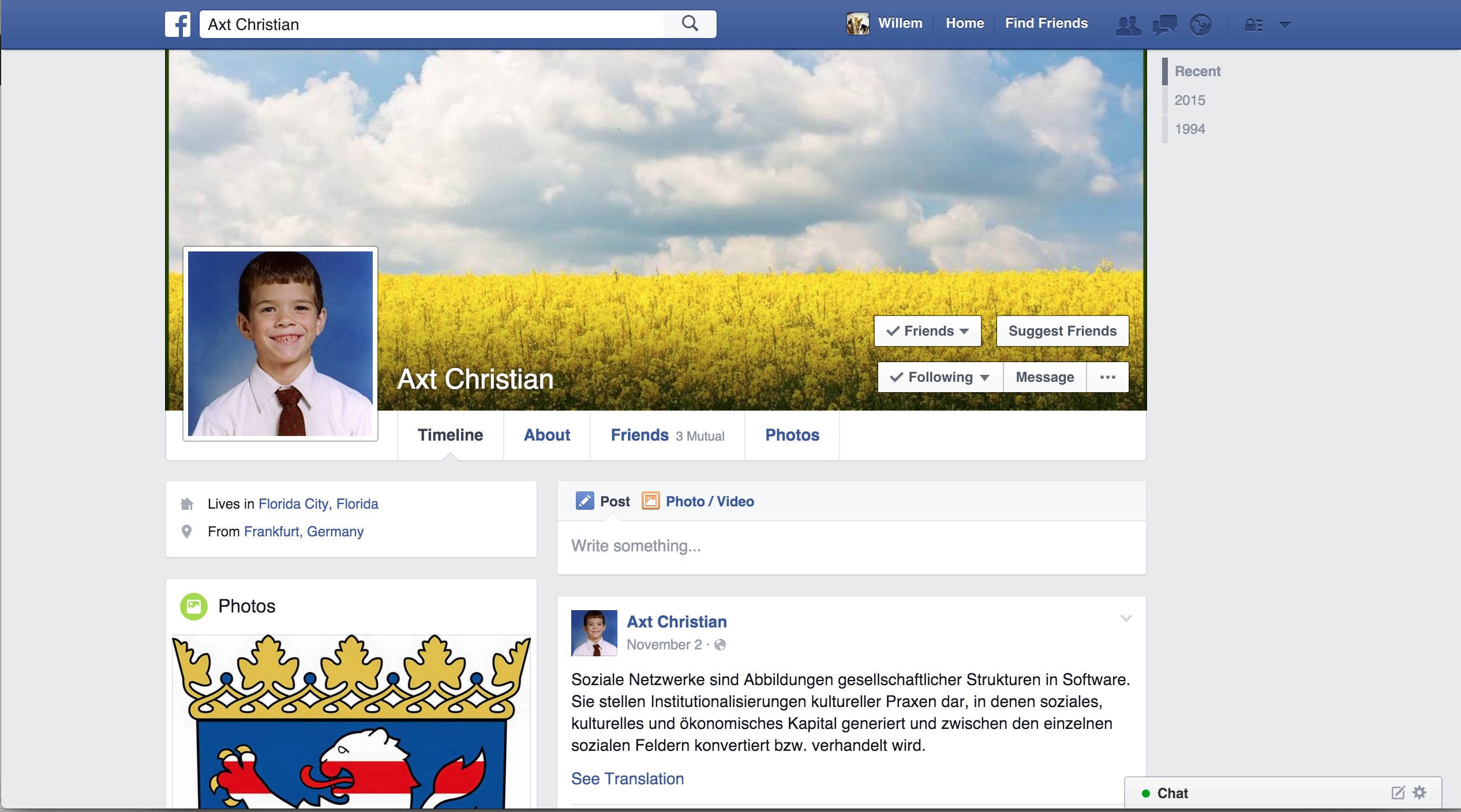
“In the piece entitled ‘The Possibility of an Army’ the work explores the concept of identity, which is more relevant than ever in light of the everyday use of social media networks. Digital identities are the currency of multinational corporations, the 'Like' button the foundation stone for a new economy of attention. With ‘The Possibility of an Army’ the work pops the key question: Do we wish to measure cultural value simply by those figures that a profit-maximizing company collects and prepares? It sallies forth with a possible army of mercenaries to search for the weak chinks in a long established system.” - from exhibition text of solo at Schirn Kunsthalle Frankfurt
“How do we end the unbridled use of this false validation system in journalism? How can we make clear that follower counts, 'views' or 'likes' are not and will never be a trustworthy measure of social commitment as long as financial incentive is in place to manipulate these counts. Even that quantified social feedback does not mean quality. How do we keep this objectivist system celebrating efficiency and a corporate, western approach to art and culture from manipulating cultural critique? Do we need to sell T-shirts and tote bags on Kickstarter before we can criticize these false validation systems? It is time to use more dramatic terms. What follows is the recruitment of a virtual, Discordianist, Hessian army.” - from a declaration of war posted on both Hyperallergic Magazine and on the website of Schirn
“Volunteers created PVA, phone verified accounts, with the names of real but long dead, soldiers in the army of the lost state of Hesse-Cassel. In the 18th century, when Germany was still a patchwork of small states, Frederick II of Hesse-Cassel hit on a brilliant way of enriching his domain: he hired out this well-trained army to fight other peoples’ wars. The Hessians, as they were known, were a regular army for hire. Their most famous (in America, infamous) employment was on the British side against the American revolution. ‘The economy of the Hessian state got a big boost.’ The profits were used in an Enlightenment campaign to improve society. It’s eerily appropriate that they have now returned as a band of Facebook mercenaries, their identities marshalled in the inauthentic, money-spinning world of social media.Facebook is seen as a very American product, exporting a very American popularity culture. The original Hessians fought in the US and have been caricatured as brutal mercenaries but in reality they “behaved honourably’.” - Jonathan Jones, from article in The Guardian
“Facebook verwijdert nepaccounts normaal gesproken. Maar het werk omzeilt het detectiesysteem van Facebook door telefoonnummers te kopen in bijvoorbeeld Bangladesh of op de Filipijnen, en het account aan dat nummer te koppelen. Dan lijken het individuele personen. Of het gaat lukken om 20.000 'soldaten' te maken, is niet zeker. Facebook is namelijk vrij streng als het om de echtheid van accounts gaat. ‘Het maakt niet uit als er af en toe een account verwijderd wordt. Het is een leger, en in elk leger sneuvelen wel eens soldaten. Er wordt niet geheimzinnig gedaan over de werkwijze: dat zou het tegenovergestelde zijn van wat het werk wil bereiken.’” - from article on Dutch news platform NOS